
Why Fall Makes You Feel THIS Way
A neuropsychological journey through changing seasons

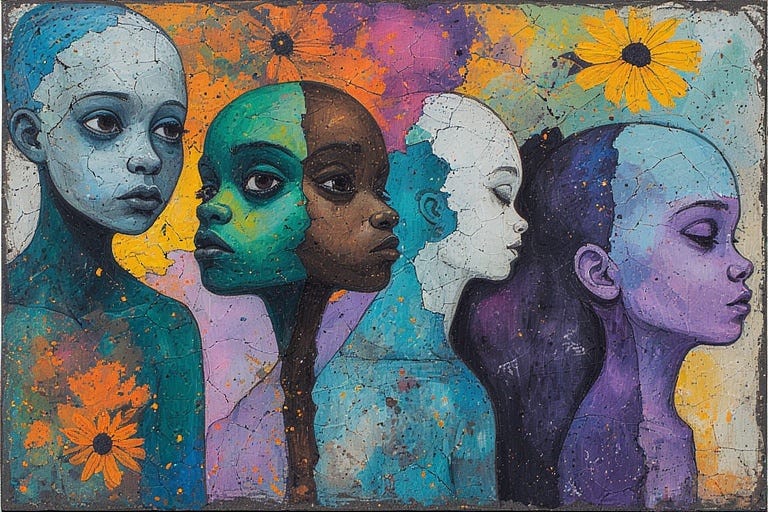
Spring is always praised as the season of renewal —of blooming and beginning again. But for many of us, especially those who live through the body and not just the mind, fall feels like the true rebirth.
Not the showy kind that announces itself with blossoms and color, but the quieter kind —the one that happens deep within, when everything else begins to fade. Ironically, in this fading you begin to appreciate a different type of color.
Spring energy is dazzling. The air feels lighter, the sun returns, the world feels new again. Psychologically, it mirrors the masculine archetype of emergence—movement, expansion, creation. In the brain, this energy lights up the reward circuits: dopamine, adrenaline, the rush of “next.” We chase ideas, people, and possibilities. We wake up eager to do and to become.
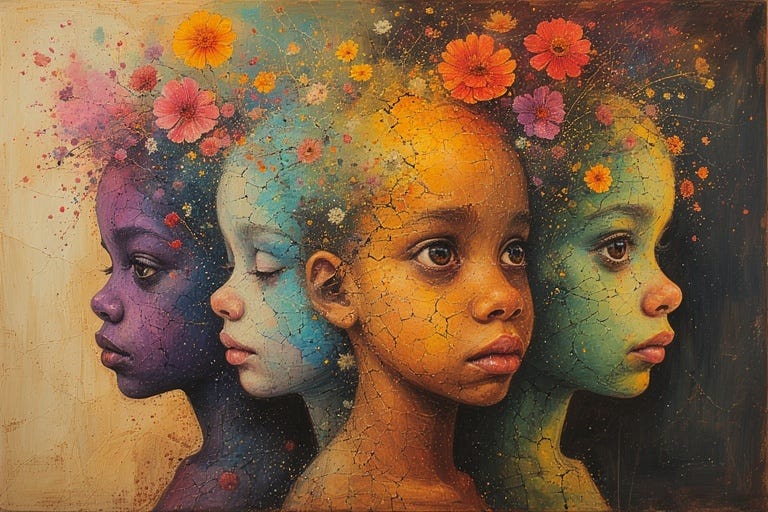
Theres a hidden pressure to this though —the pressure to show life rather than feel it. In spring, growth is proof: proof we survived, proof we can still blossom, proof we belong in the bright world again. The ego thrives here —in motion, in validation, in visible transformation. But the soul? It craves depth. And true depth rarely announces itself.
Spring’s beauty is undeniable, but it’s also fragile. The pretty blossoms fall away quickly. The excitement fades. Without grounding, the expansion becomes exhaustion —a nervous system stuck in this perpetual “on” state.
Fall carries a different more romantic type of rhythm —one that feels closer to the pulse of the earth, and to the truth of the feminine psyche. Where spring pulls us upward, fall calls us downward. Where spring asks us to bloom, fall asks us to shed.
Physiologically, autumn energy mirrors the parasympathetic nervous system— the state of rest, digestion, integration. The body cools, the light softens, and the nervous system exhales. You notice how sensitive your body becomes when the whether cools? The spiritual and biological realms are direct mirrors of each other.
This is the body remembering God —not through effort alone, but through surrender and a deeper state of awareness.
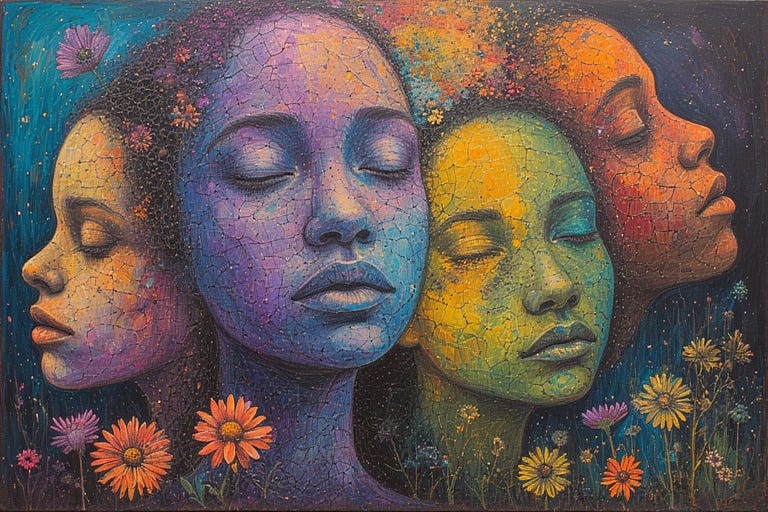
Fall doesn’t seduce us with color alone; it draws us inward with meaning. The beauty is quieter, but heavier —like wisdom settling into the bones. The world slows, and in that slowness, the self becomes audible again. You start to become intimate with your body again.
If spring is birth, fall is remembering.
If spring is inspiration, fall is embodiment.
If spring is the inhale, fall is the exhale that brings us home.
The feminine body —whether biological or energetic—was never designed for constant bloom. It was built for cycles. For ascent and descent. For light and shadow. For expansion and rest.
Yet, we live in a culture addicted to spring energy: constant creation, constant visibility, constant doing. It glorifies the rise but fears the stillness that must follow.
Because of this, many of us live stuck in sympathetic overdrive —anxious, overexposed, disconnected. We confuse productivity with purpose and noise with aliveness.
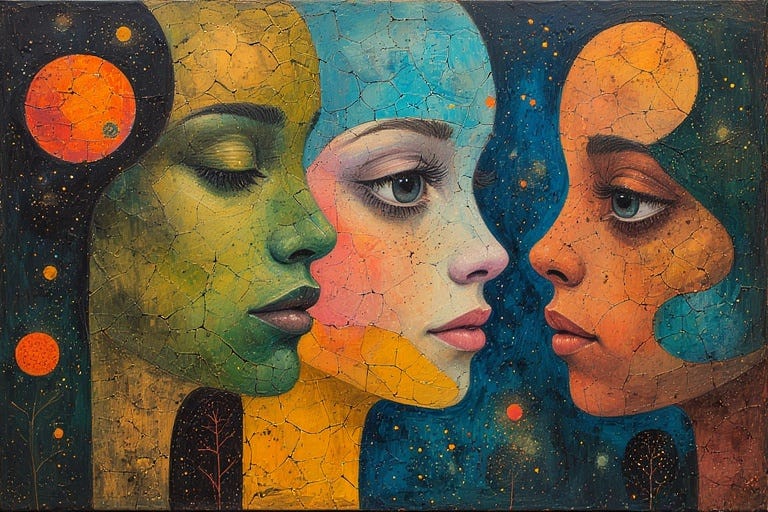
Fall comes as medicine. Its very essence invites regulation back into our lives. The slowing down. The warmth. The sensory intimacy —all of it speaks to the feminine nervous system in its native language. It teaches that rebirth doesn’t always begin with beginnings —sometimes it begins with release. In fall, we learn to trust the rhythm of retreat. To honor the body’s need for stillness, to see value in reflection, to understand that rest is not regression but sacred preparation.
The feminine doesn’t bloom endlessly. She regenerates.
She sheds to stay alive. She descends to deepen her light.
In Jungian terms, autumn represents the descent into the unconscious —the place where shadow and self reconcile. Fall literally is the beginning of harvest season. LooK around —at the world, the media, your family, yourself. This strange yet intentionally crafted phenomena becomes harder to ignore the more you allow yourself to feel. It is the inner pilgrimage that every soul must make when the outer world begins to decay.
We tend to romanticize ascent —enlightenment, growth, evolution —but true integration happens on the way down. Down into silence. Down into memory. Down into the parts of ourselves that were too tender to bring into the sun. Fall is Persephone returning to the underworld —not as a captive, but as THE queen.
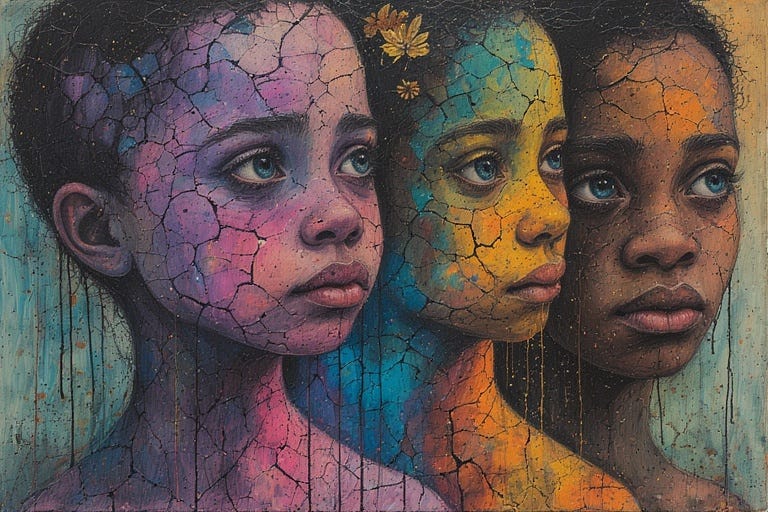
It’s the psyche reclaiming her cyclical nature, no longer fearing endings but seeing them as thresholds. Here, the feminine learns her deepest wisdom: that decay and creation are the same force, seen through different seasons of time. The more the external world fades, the more the internal world glows.
We start to notice texture again —the sound of leaves under your feet, the scent of burning wood, the softness of light against skin. This is what healing feels like when it’s real. It isnt dramatic, its sensory restoration. Not too fast, just steady enough.
In fall, we aren’t trying to become; we are allowing ourselves to be. To exhale. To integrate. To return to rhythm. It’s the nervous system remembering the sacred pace of God.
Spring awakens inner desires —the hunger to reach, to create, to connect. It’s the stirring of life after dormancy. But desire alone can’t hold us. Without grounding, the high becomes hollow and quickly. Fall, however, integrates that energy. It teaches containment —how to hold joy, how to metabolize emotion, how to embody peace without losing momentum.
Spring teaches expansion. Fall teaches depth. Spring shows us what’s possible. Fall shows us what’s sustainable. That’s why, when the air cools and the light fades, something ancient inside the feminine sighs with relief. She can finally stop performing her aliveness and begin living it.
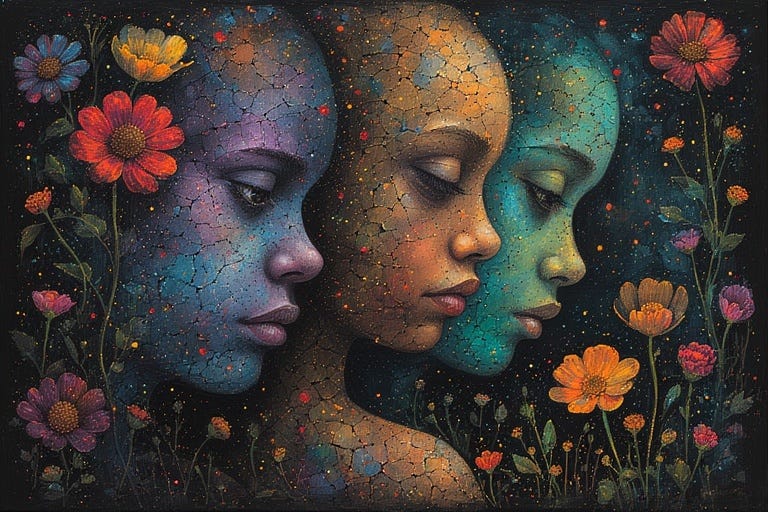
To live in alignment with fall is to live in reverence of rhythm. It’s to no longer measure your worth by productivity, but by presence. The Fall Woman understands that creation is not constant —it’s sacredly timed. She doesn’t force growth; she tends to her soil. She doesn’t chase beginnings; she honors endings as holy ground. She knows that what looks like decay on the surface is actually spiritual compost —the material her next self will grow from. She doesn’t fear the dark because she’s learned to see in it. Her art isn’t rushed. Her love isn’t performative. Her healing isn’t loud. Everything she touches carries depth because she moves at the pace of her nervous system, not the pace of the world. She is cyclical in a linear society —and that’s her quiet rebellion.
The Fall Woman lives her life as an act of psychological alchemy —transmuting release into renewal, solitude into connection, stillness into wisdom. She doesn’t seek perpetual light. She seeks wholeness —the kind that only comes when shadow and shine coexist. She understands that God is not only in the rising sun but also in the dimming dusk. That every descent is an invitation to rediscover the divine within.
Maybe that’s why fall feels like home to so many of us. It doesn’t demand that we start over —it allows us to start deeper. It’s not a resurrection of the body, but of the soul. A reminder that rebirth isn’t always loud, and becoming doesn’t always look like blooming. Sometimes, the most sacred thing you can do is soften, shed, and let yourself be rewritten by the quiet.
you just placed words to my spirit! Thank You 🥺
What a beautiful insight you have! A great articulation of what fall (and the cycles of the seasons) feels like. We and our creations are meant to hibernate and develop without the pressure of constantly producing, and I will recall this article whenever creative burnout creeps in.